Torqeedo: Leading electric boat motors & maritime propulsion systems

Trade Shows
Discover our latest innovations and experience Torqeedo live - visit us at trade fairs and events worldwide! You can find all trade fair dates here
LEARN MORE
We move the world
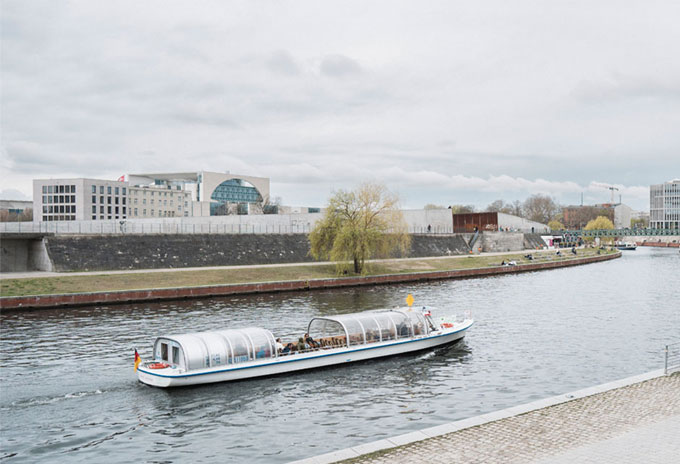
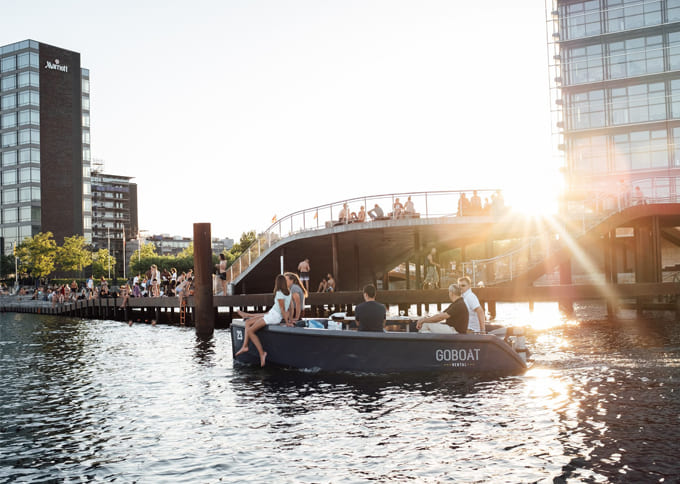
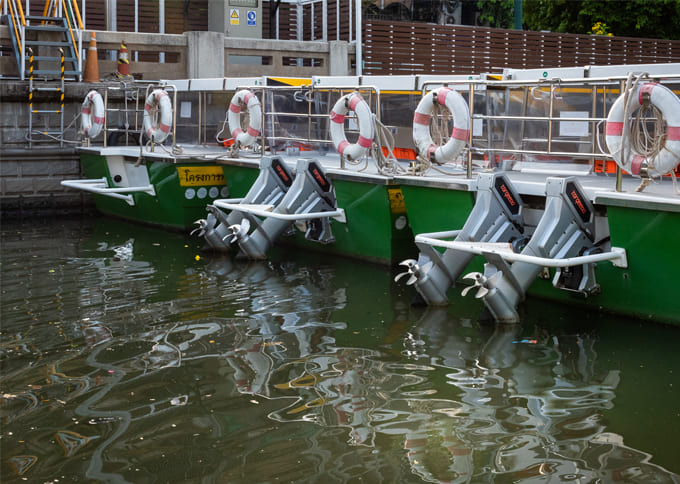
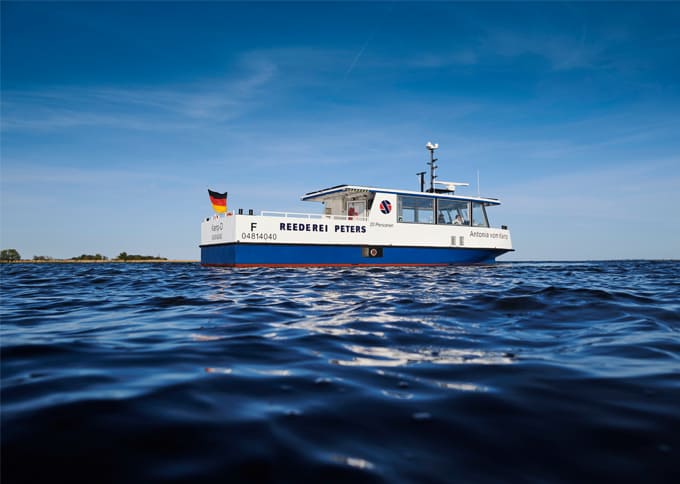
Berlin, Amsterdam, Bangkok – our motors enable innovative cities around the world to overcome challenges.
LEARN MORE

Electric mobility. Shaping the future.
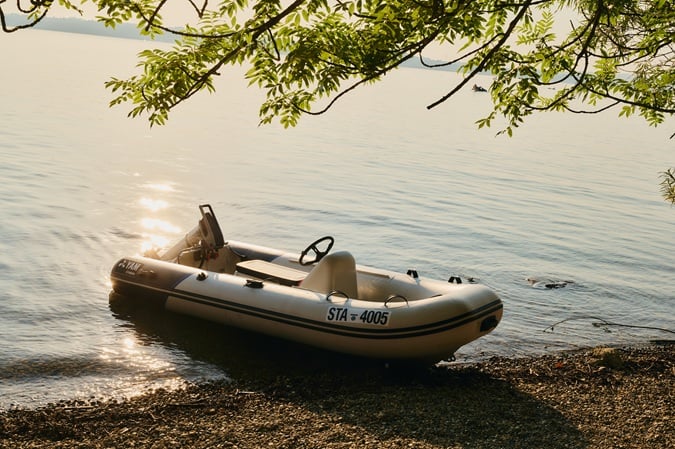
As part of the Yamaha Motor Group, Torqeedo combines German engineering excellence with global strength to deliver powerful, efficient and sustainable propulsion systems.
LEARN MORE
RECREATIONAL
COMMERCIAL

Press Release
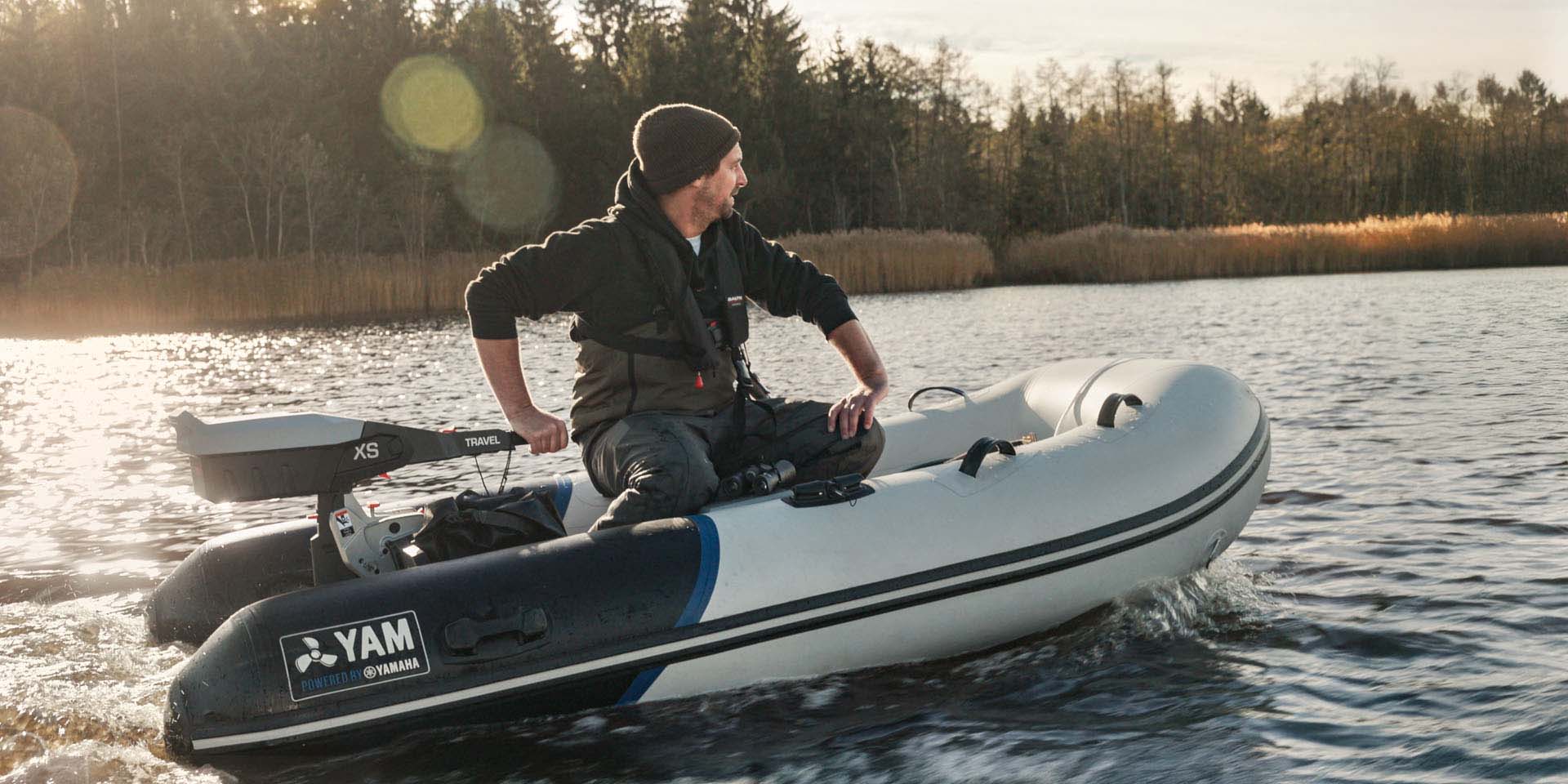
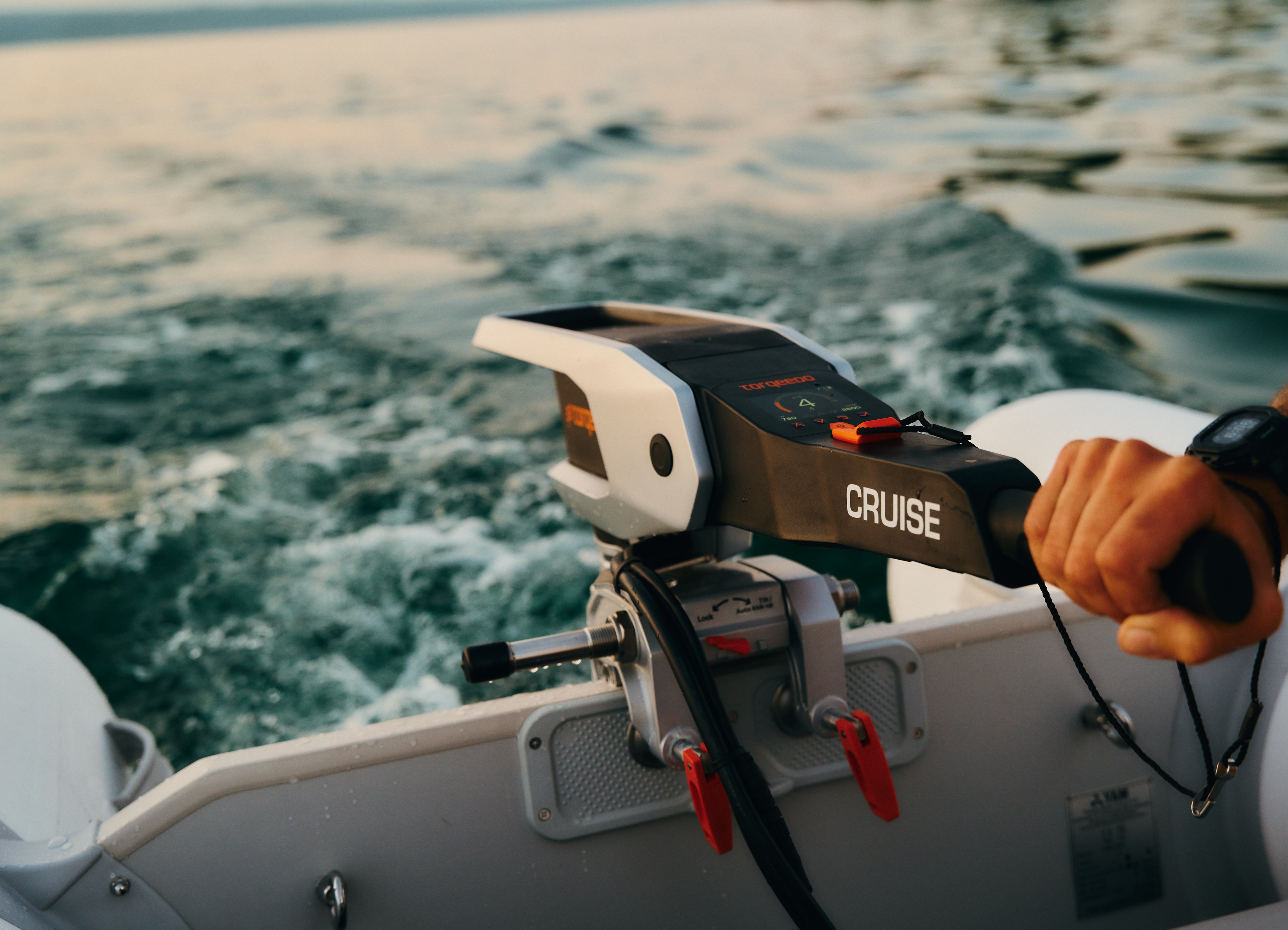
Torqeedo unveils new Travel XS and Cruise models
At boot 2026, Torqeedo showcased its versatile range of electric drive systems, including the new Travel XS and the upgraded Cruise models. Features such as networked technology, sustainable materials and holistic system design clearly demonstrate how Torqeedo is shaping the future of boating today.
READ MORE
READ MORE
Electric Story
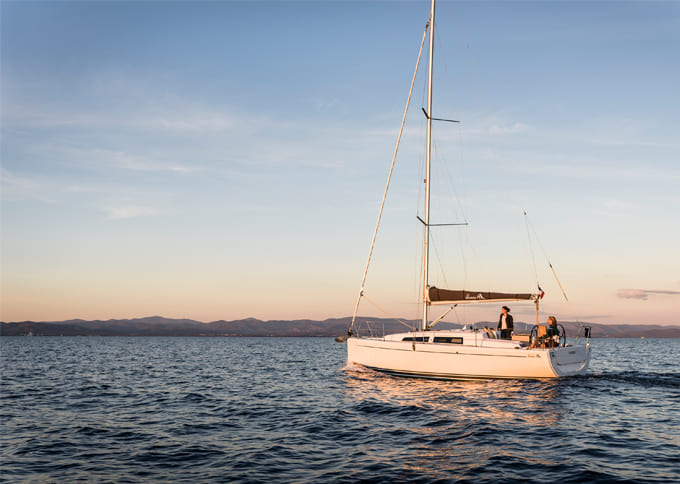
When the wind dies down, the power of electric drives begins to shine.
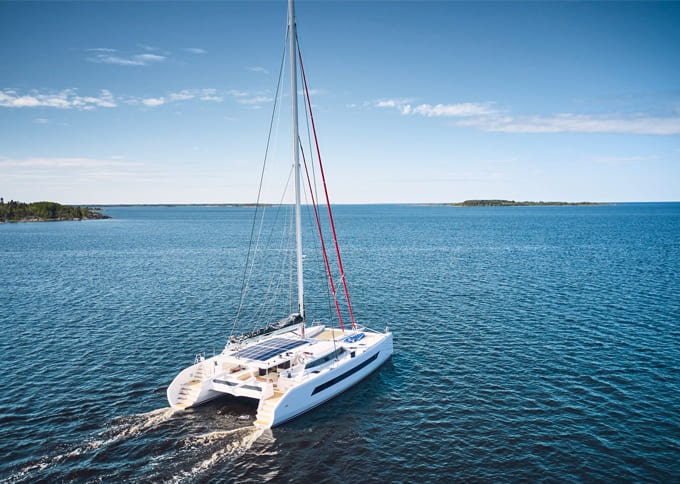
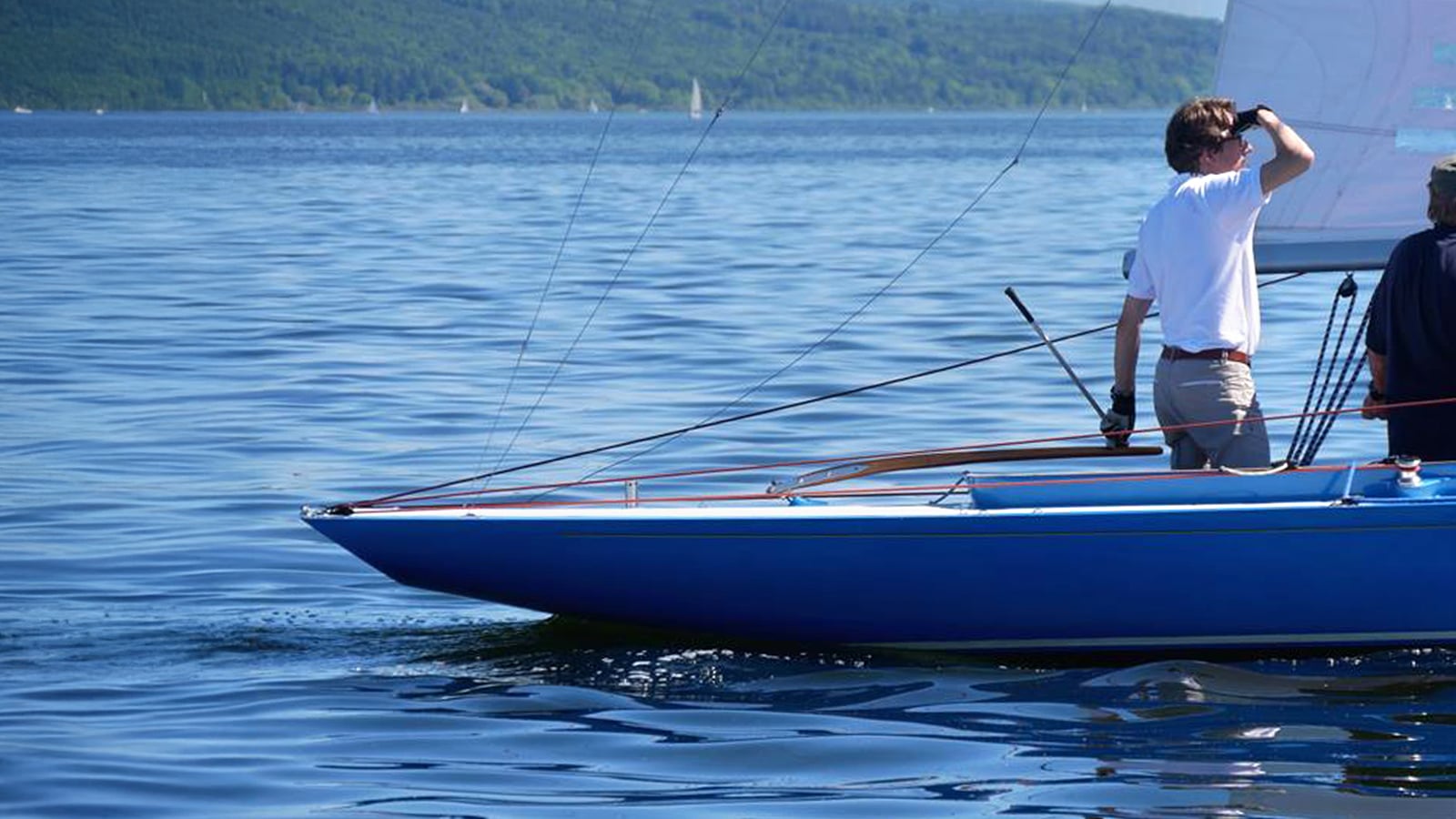
Sailors use electric motors as quiet, reliable companions – when manoeuvring in the harbour, in calm conditions or on their way back to shore. Lightweight, efficient and intuitive to use, Torqeedo drives enhances the sailing experience without detracting from it. A story of freedom on the water, even when nature takes a break.
READ MORE
READ MORE
Torqeedo’s Brand Ambassadors
Our Electric Explorers – where quiet beginnings turn into great adventures
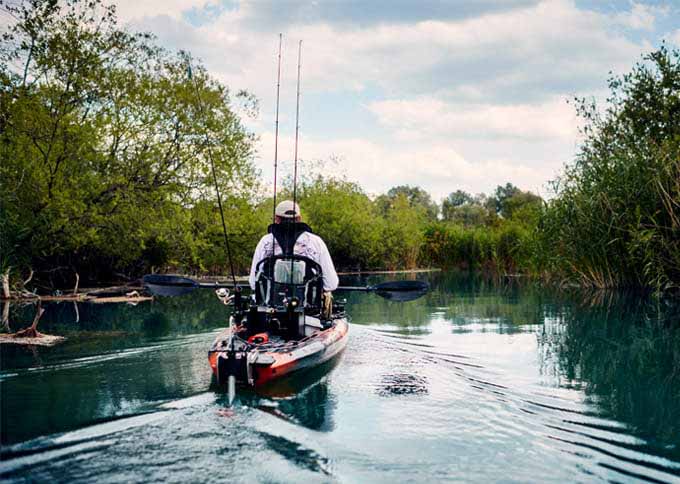
International explorers rely on Torqeedo drive systems to forge new paths on the water – sustainably, powerfully and with respect for nature. Their stories show how electric propulsion technology is redefining adventure on the water. Discover the world with an electric boat drive.
READ MORE
READ MORE

Product comparison
WANT TO LEARN MORE?
Find out here which electric drive perfectly fits your needs by comparing the stats of up to six difference engines.
DO THE TEST
